Select Page

Hunting & Buffalo

Hunting

Like the First Nations peoples, the Métis were traditionally hunters who depended on buffalo for their way of life. They were skilled hunters and when they were not hunting buffalo, they also hunted or trapped animals like deer, moose, elk, beaver, rabbit, and fish. In addition to hunting Métis people also gathered berries and traditional plants as well as grew gardens.
A piece of art by Leah Marie Dorion made with mosaics shows two Indigenous women facing each other with their hair blowing out behind them. There is a sun with butterflies in the centre, and snakes underneath the ground.

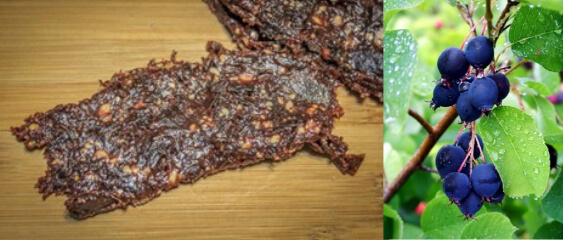
Pemmican is similar to beef jerky but is used with buffalo and berries!

Buffalo and berries would be used to make pemmican. Pemmican was sold to the fur traders and was an important part of Métis’s food history and the key to the European fur traders’ survival.

Food Métis People Ate

Buffalo

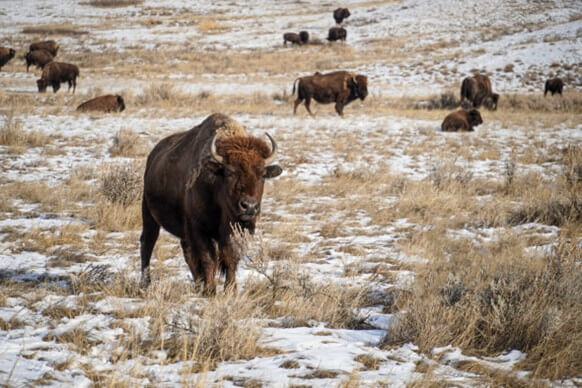
The buffalo were valuable to the Métis culture, economy, and way of life. Buffalo provided meat, hides, and sinew. Some families would travel many miles in the summer and fall following herds before returning to their farms, homesteads, or wintering sites. Buffalo hunts involved hundreds of people and were highly organized.
A piece of art by Leah Marie Dorion made with mosaics shows two Indigenous women facing each other with their hair blowing out behind them. There is a sun with butterflies in the centre, and snakes underneath the ground.

Buffalo supported the Métis lifestyle in more ways than one
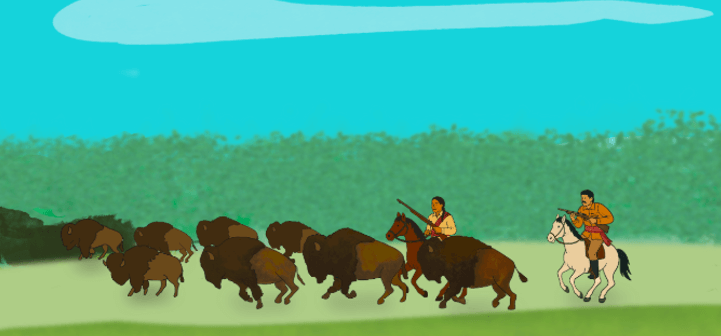
Horses were used to round up the buffalo and create a stampede. Métis hunters had to be very good shots and excellent horsemen because of how difficult it was to reload their guns while riding at a full gallop. Many buffalo were brought down during a hunt and would be butchered, dried, then loaded on the Red River Carts to bring back to camp.
A piece of art by Leah Marie Dorion made with mosaics shows two Indigenous women facing each other with their hair blowing out behind them. There is a sun with butterflies in the centre, and snakes underneath the ground.

Hunting buffalo was very dangerous because of the speed the hunters had to use their guns while in a stampede of the very powerful and wild buffalo.
A piece of art by Leah Marie Dorion made with mosaics shows two Indigenous women facing each other with their hair blowing out behind them. There is a sun with butterflies in the centre, and snakes underneath the ground.
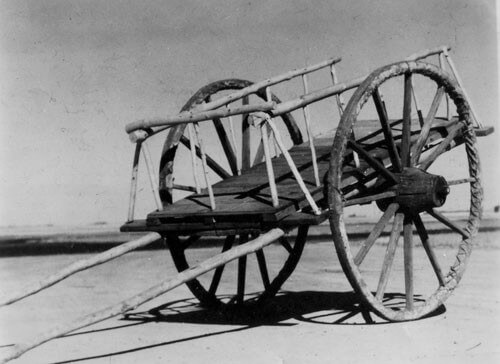
Photo Credit: Provincial Archives of Saskatchewan R-A3278

Red River carts were used to carry the heavy buffalo
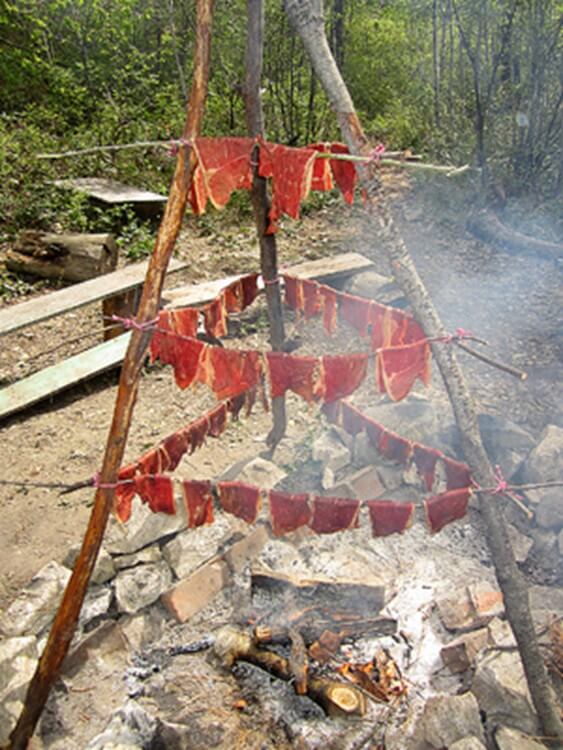
Every part of the buffalo was used for something, the meat was used to feed their families as well as trade, the hides were used for clothing and shelter, and the bones and muscles were used for tools and other survival items.
A piece of art by Leah Marie Dorion made with mosaics shows two Indigenous women facing each other with their hair blowing out behind them. There is a sun with butterflies in the centre, and snakes underneath the ground.

An effective way to dry out meat is to hang thinly sliced pieces over a fire

Buffalo Hunts had a set of very strict rules that must be followed to keep the hunts fair and safe, and if you broke the rules there would be consequences. It was common for priests to bless the hunters before their hunt to protect them from danger.

Watch the following video to learn more about Buffalo Hunts

Life Without Buffalo

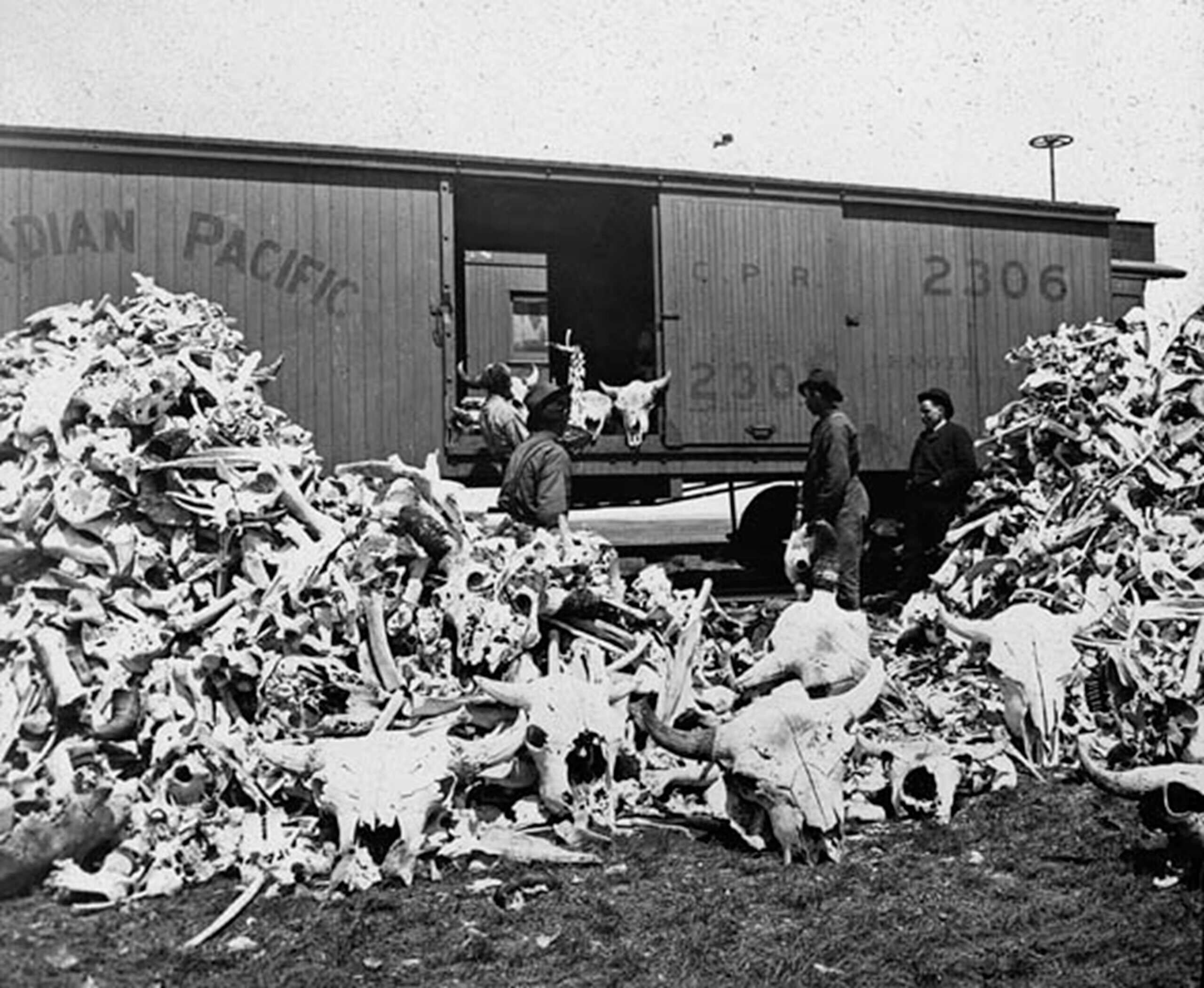
During the late 1870s the buffalo population almost went extinct from Europeans overhunting them. Killing the buffalo for sport was encouraged by the Canadian Government as a way to disrupt the way of life for First Nations and Métis people. The Métis, Plains First Nations, and European Canadians had to compete for what was left of the small herds to sustain their livelihood. This greatly effected the Métis way of life which led to a transition to a farming and ranching lifestyle.
A piece of art by Leah Marie Dorion made with mosaics shows two Indigenous women facing each other with their hair blowing out behind them. There is a sun with butterflies in the centre, and snakes underneath the ground.
Photo Credit: Provincial Archives of Saskatchewan R-B8774

Pile of buffalo bones that were left on the prairies

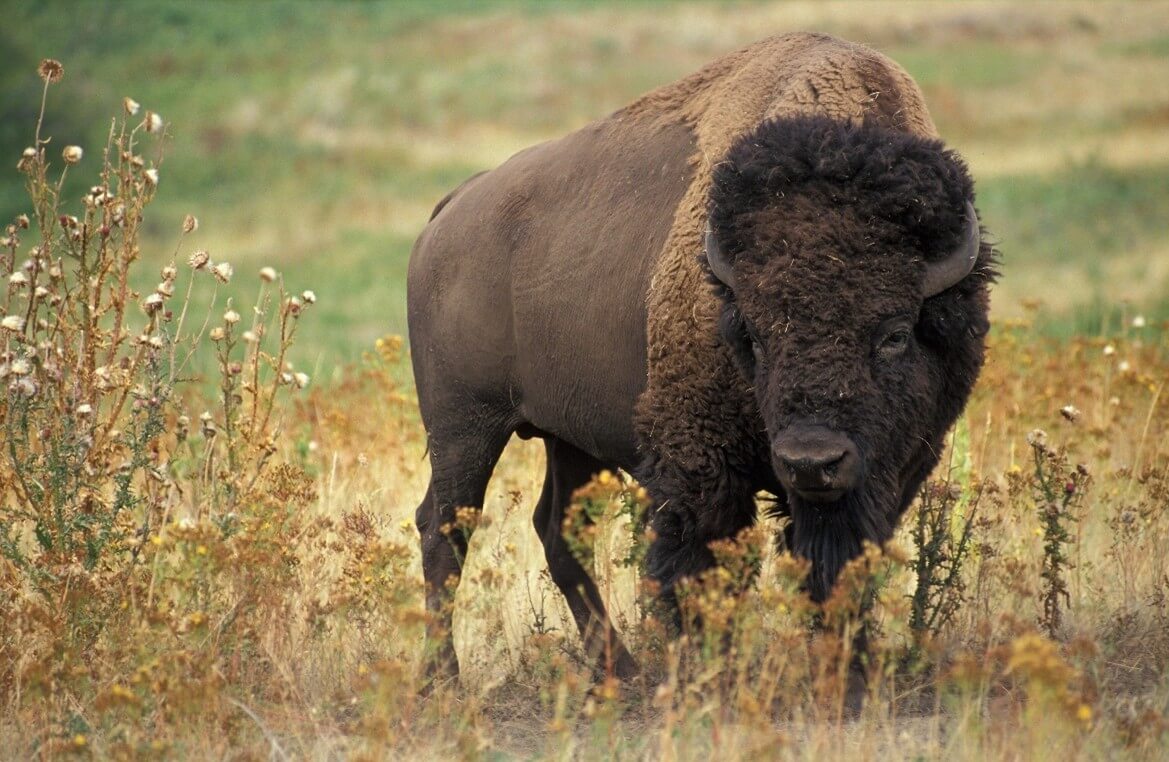
BUFFALO
Photo Credit: Parks Canada

Buffalo are slowly being reintroduced to the wild here in Saskatchewan. Métis Nation Saskatchewan and Parks Canada released 25 bison around Batoche, SK.

Check Your Understanding