Select Page

Overview

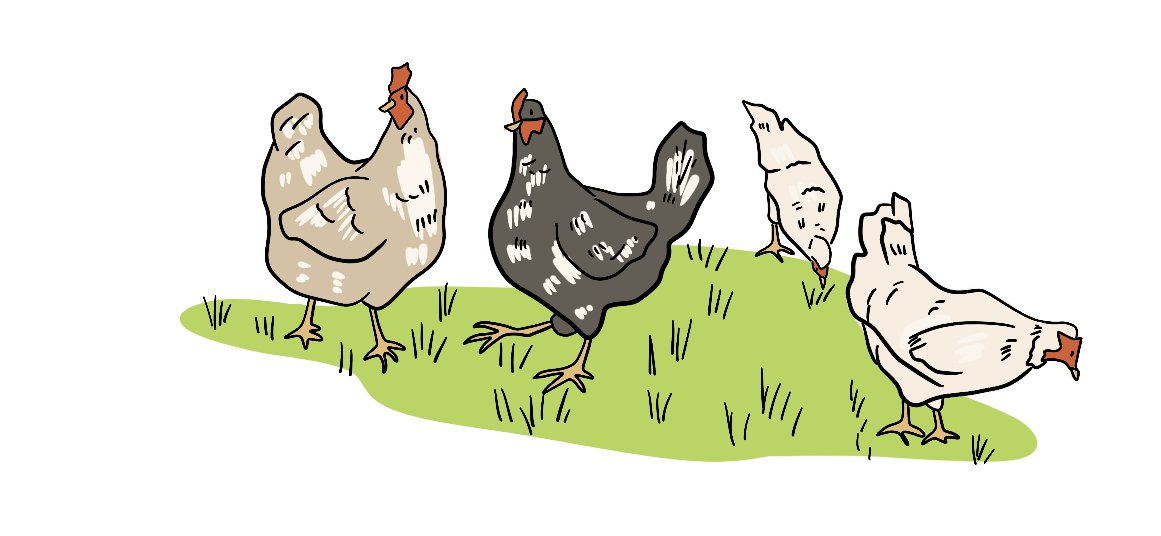
Early Métis farmers raised animals, just like ranchers in Saskatchewan do today. They cared for cattle, horses, chickens, pigs, turkeys, and sheep.

A piece of art by Leah Marie Dorion made with mosaics shows two Indigenous people standing near animals, sun, and water.

Animals provide food for families

Horses and Oxen

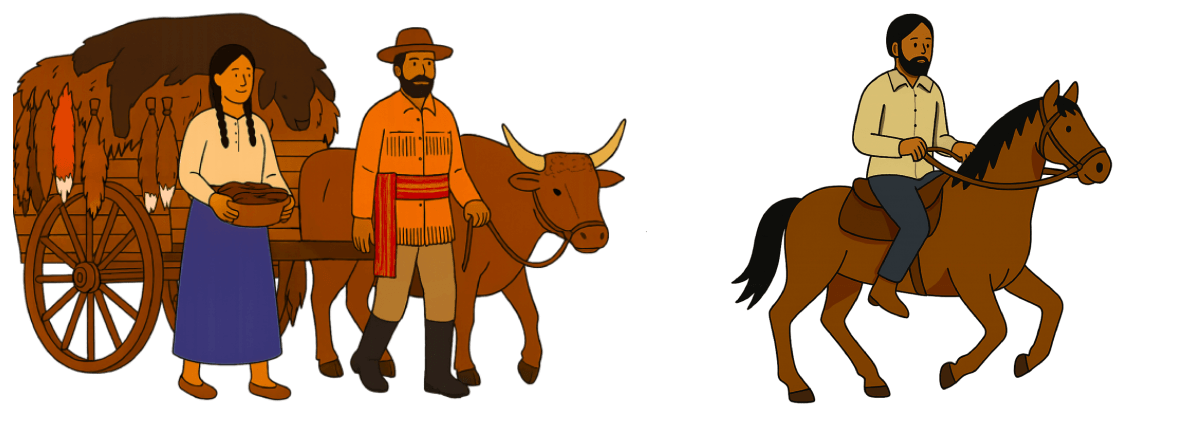
Horses and oxen were very important to the Métis way of life. At first, the Métis used them mainly for buffalo hunting and for hauling heavy loads. Later, as the Métis began farming, these animals became essential for working the land.

A piece of art by Leah Marie Dorion made with mosaics shows two Indigenous people standing near animals, sun, and water.

Horses and oxen are very useful animals

Oxen are big and powerful. They could pull heavy plows, harvest machines, and red river cart loads from buffalo hunts. Horses could also help with farm work, but they were especially valuable for rounding up and moving herds of cattle.
A piece of art by Leah Marie Dorion made with mosaics shows two Indigenous people standing near animals, sun, and water.

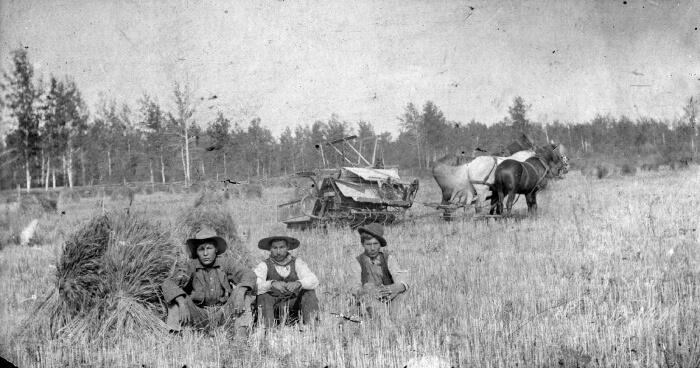
Photo Credit: Provincial Archives of Saskatchewan (S-B9117)

Horses and oxen would pull heavy equipment when farming

Cattle

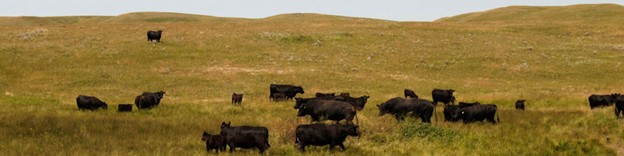
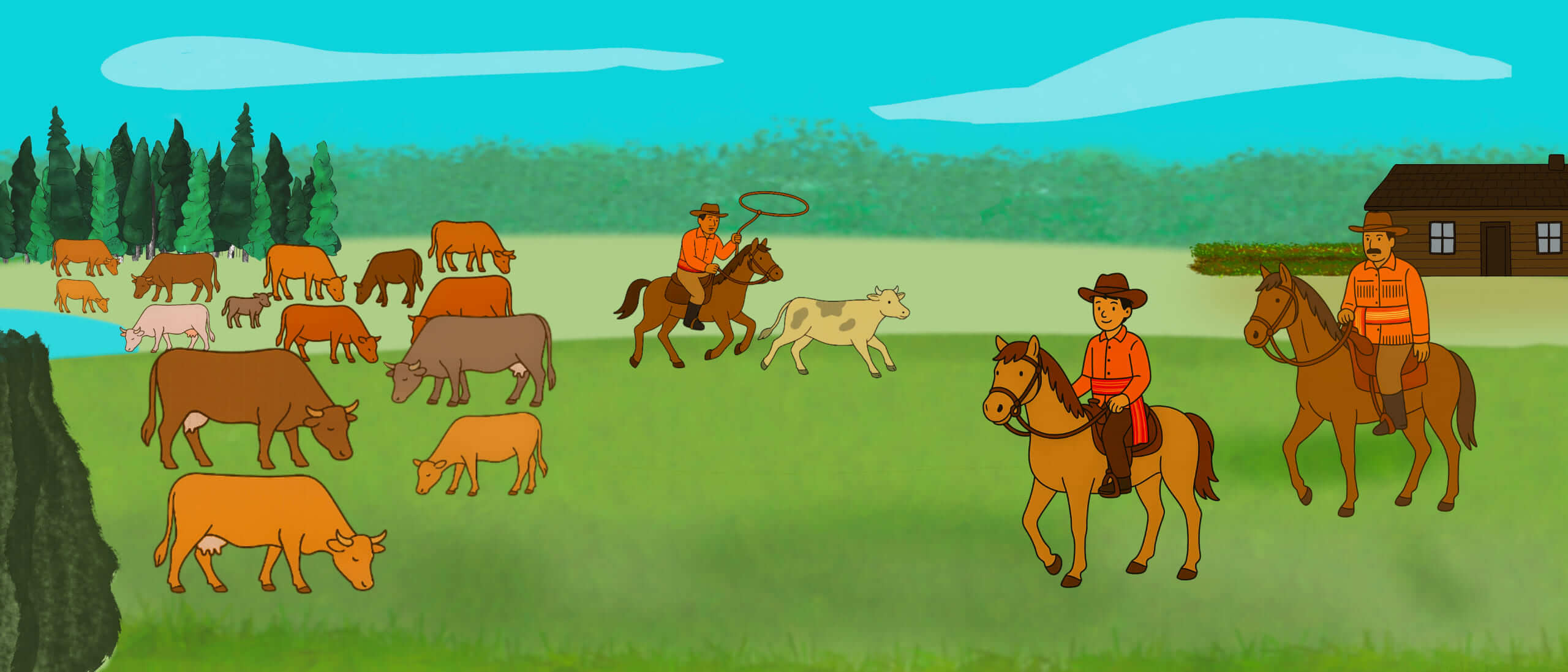
Many Métis ranchers had big herds of cattle. In summer, the herds grazed together on the open grasslands with no fences, this was called free range grazing. Then, Métis ranchers used horses to round up the cattle and sort them so each rancher could take their cattle home for the winter. In winter, cattle stayed in corrals and were fed hay that was harvested from the summer.

A piece of art by Leah Marie Dorion made with mosaics shows two Indigenous people standing near animals, sun, and water.

Photo Credit: Parks Canada

Free range grazing is not a common practice today

Selling and Trading

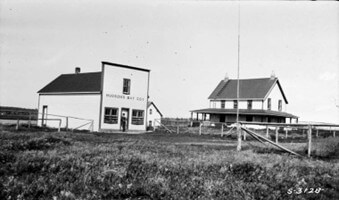
The animals provided meat and dairy products, which provided food for Métis families and a source of income when sold at nearby trading posts. Selling cattle was an important way to earn money, and ranchers sometimes shipped their animals to other places by train.

A piece of art by Leah Marie Dorion made with mosaics shows two Indigenous people standing near animals, sun, and water.

Photo Credit: Library and Archives Canada (PA-018504)

Métis provided food to fur traders at trading posts

Cowboy Culture

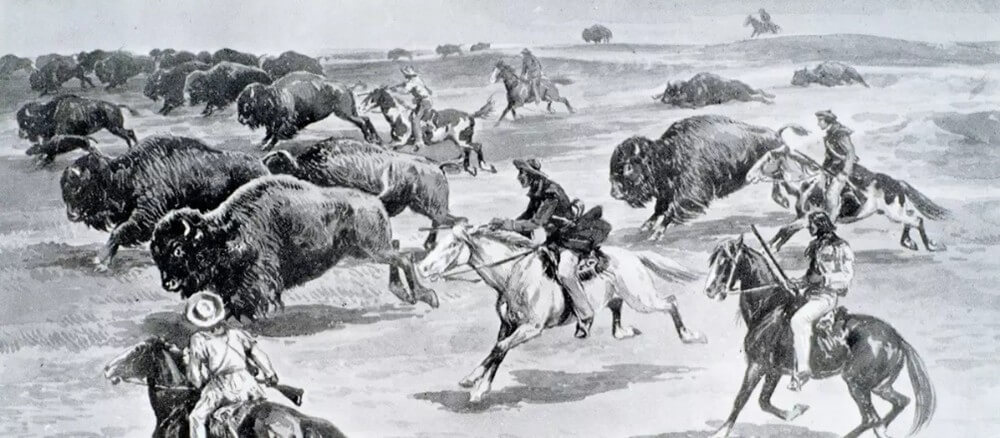
The Métis people had a strong cowboy way of life after the buffalo herds became nearly extinct. Many were ranchers who raised and trained horses. They were amazing riders, able to race at full speed while reloading and firing a gun during buffalo hunts.

A piece of art by Leah Marie Dorion made with mosaics shows two Indigenous people standing near animals, sun, and water.

Photo Credit: Manitoba Métis Federation

Métis hunters had to be an excellent shot

Métis ranchers also bred horses, broke them for riding, and used them to help with ranch work. Being a good horse rider wasn’t just useful — it was something to be proud of.

BUFFALO

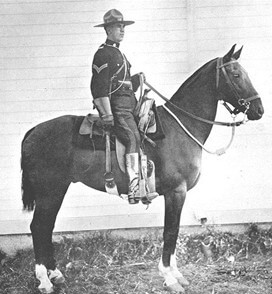
Métis were so well known for their ability to work with horses that they trained horses for the Northwest Mounted Police and Royal Canadian Mounted Police!

Rodeos & Races

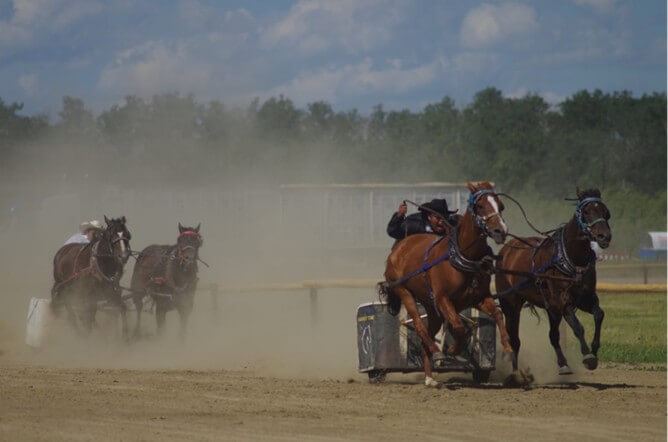
For a long time, Métis communities held rodeos — and they still do today! Horse racing was one of their favourite sports to take part in, watch, and enjoy. In summer, races were held on dirt roads, and in winter, on frozen rivers. Sometimes horses pulled wagons in exciting chuckwagon and chariot races. Métis were known as master horsemen and every race was fast and entertaining to watch.

A piece of art by Leah Marie Dorion made with mosaics shows two Indigenous people standing near animals, sun, and water.

Vern Nolin, a chariot racer at Batoche!

Check Your Understanding