
Crop Farming
Introduction
Métis farming began during the Fur Trade, alongside hunting, fishing, and trading. In the 1830s, Catholic and Anglican missionaries introduced cereal crops and gardens to the Red River Métis in present-day Manitoba.
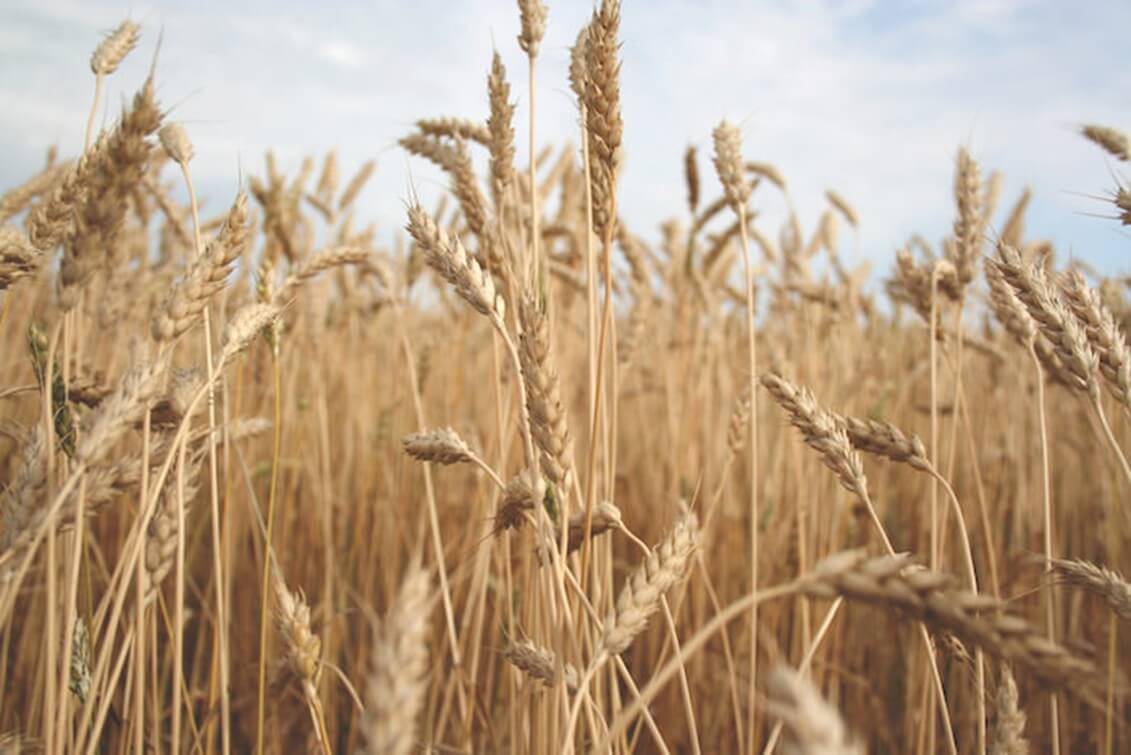
Cereal crops include wheat, barley, rye, and oats
Early farming focused on providing food for families and trading with the Hudson’s Bay Company.
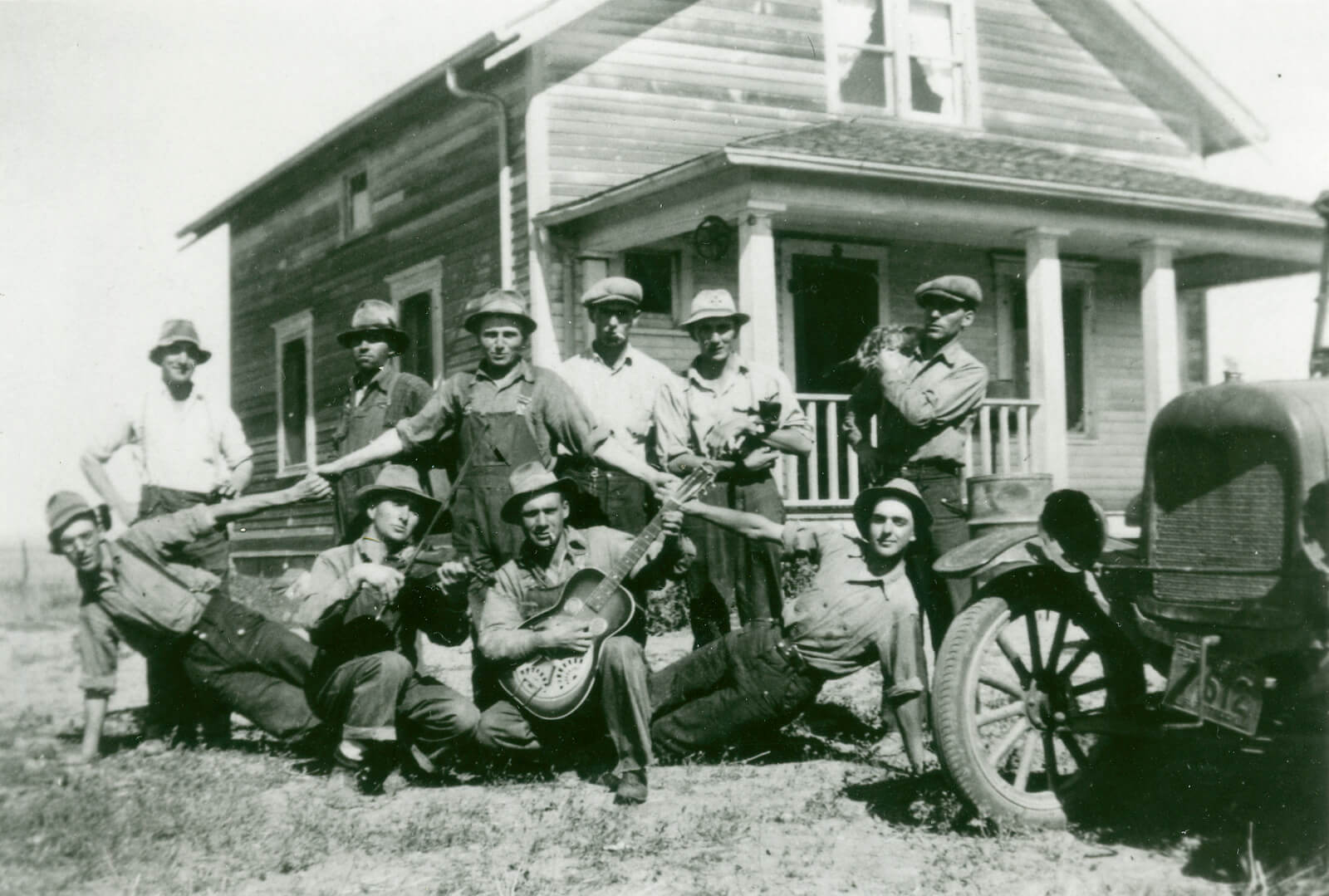
A threshing crew from Willow Bunch, SK taking a break
Challenges
Growing conditions were challenging—droughts, floods, grasshoppers, and long-maturing wheat varieties often led to crop failures. Over time, Métis farmers began rotating crops, fertilizing fields, and using simple tools like sickles and scythes.
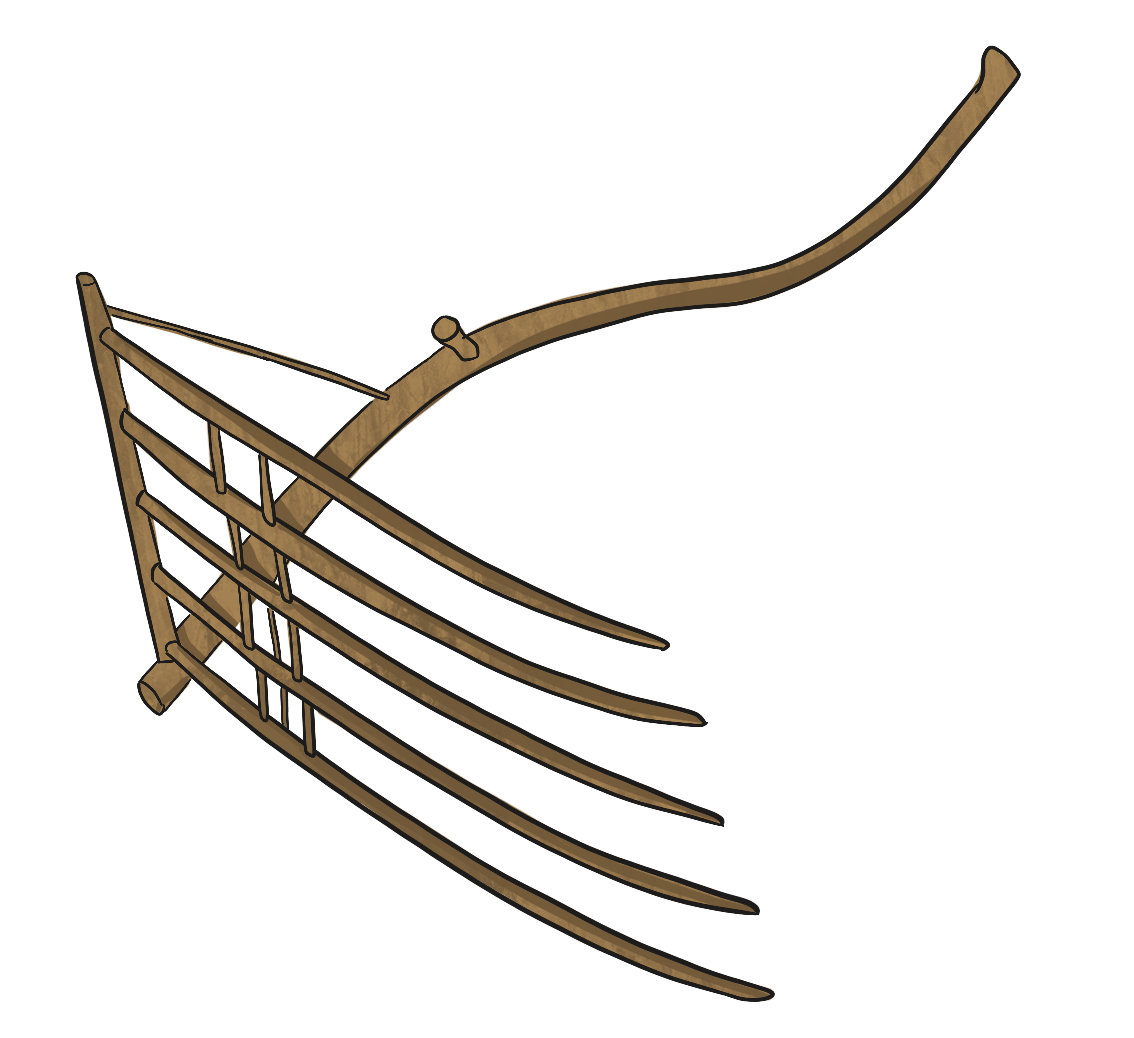
An example of a cradle scythe
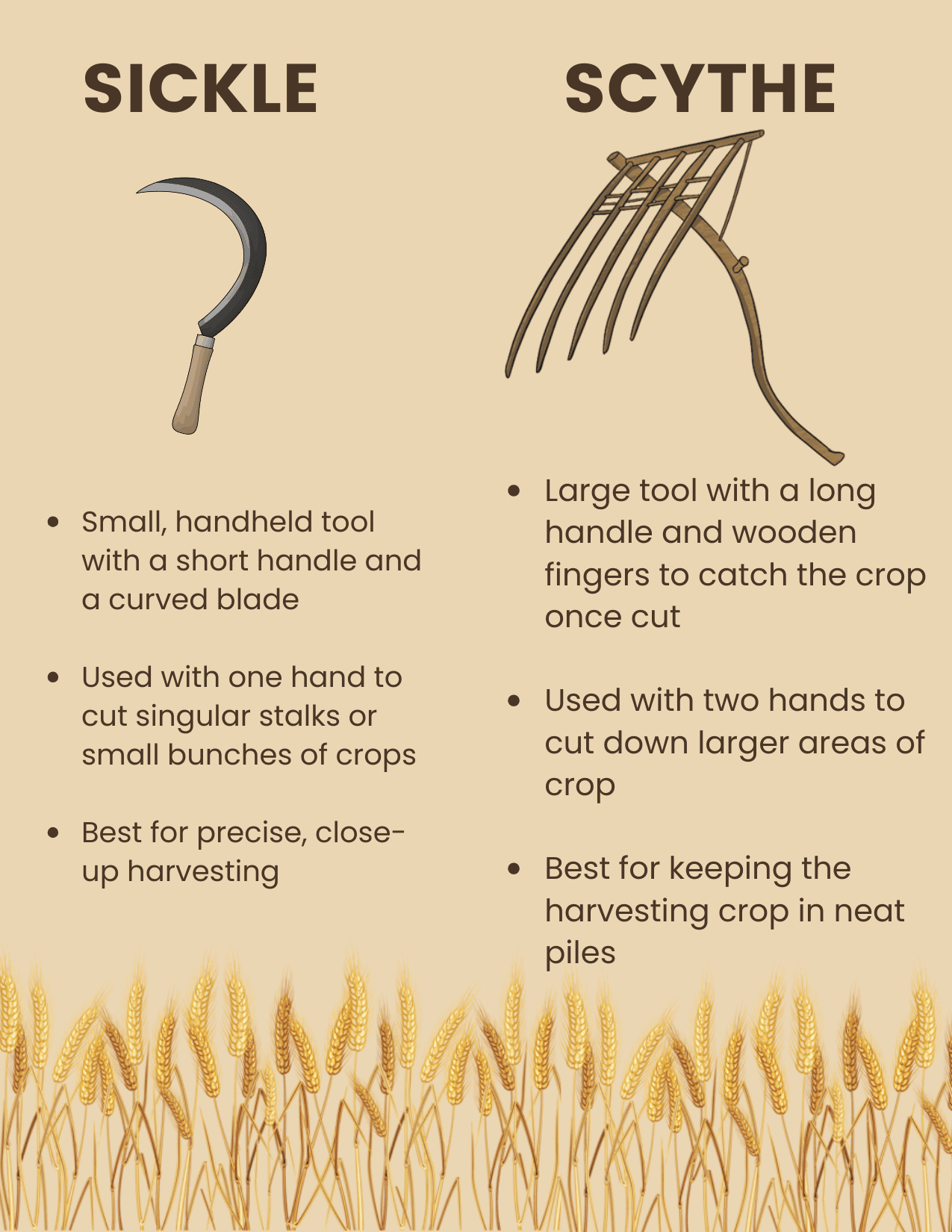
Learn the differences between a sickle and a scythe


Prince Albert, Saskatchewan was known for having many Métis in the wheat grinding industry. James Isbister had started growing wheat since 1863, and by 1874 grist mills were coming to Prince Albert to turn the grain into flour. There were several different types of grist mills that were being operated around the Prince Albert area during this time.
Grist mills were powered by either water, wind, or animals and grinded grain into flour by spinning a large wheel that moved the grain between two large stones.